
Clean energy / Blog & insights
Solar, storage, and what clean energy means for your home
Start with the energy you need, understand where it comes from, and look beyond the label on the equipment.
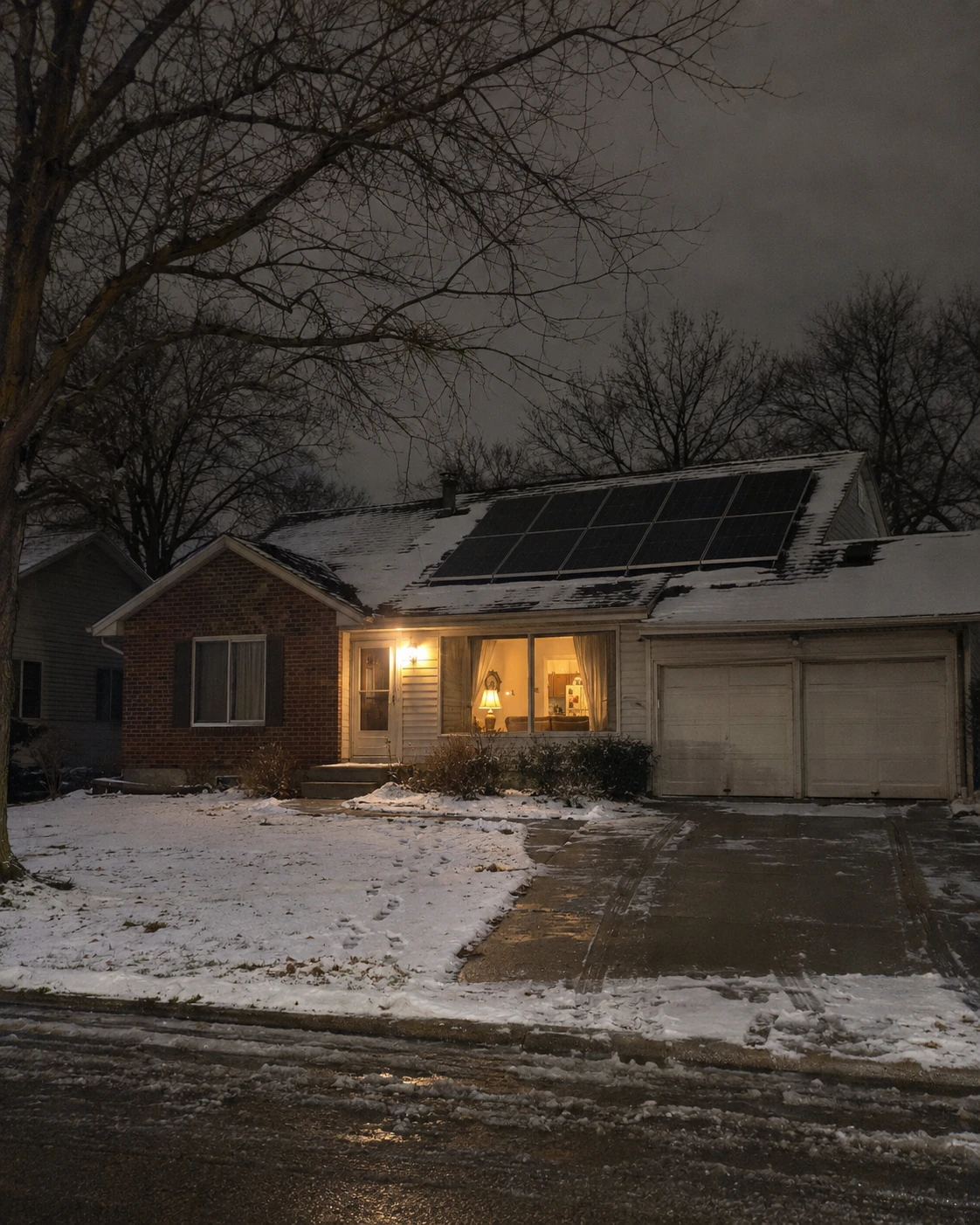
A practical idea with more than one dimension
For a homeowner, the clean-energy conversation often begins with solar panels. But there are several questions inside that phrase: How is electricity generated? How much does the household need? When is it used? And what materials and infrastructure make the system possible? Looking at all four produces a more useful conversation than treating one product label as the whole answer.
Solar changes how some of your electricity is made
Photovoltaic panels generate electricity without burning fuel during operation. That gives rooftop solar a different operating footprint from combustion-based generation. It does not mean the equipment has no environmental impact. Manufacturing, materials, transport, and disposal all matter. The U.S. Energy Information Administration describes both solar’s operating benefits and the environmental considerations associated with producing solar technologies. [1]
Look across the equipment’s whole life
A life-cycle assessment follows a system through raw materials, manufacturing, transport, installation, operation, and end-of-life treatment. It also relates those impacts to the electricity the system delivers. That is why roof conditions, expected production, and useful service life matter to an environmental comparison. IEA PVPS evaluates residential photovoltaic systems using this approach; it is a more complete measure than describing panels as having no impact because they do not burn fuel on the roof. [3]
Storage changes when electricity can be used
A battery can move solar energy from midday into the evening. That flexibility is useful because the best production hours and the busiest household hours often differ. A battery can also charge from the grid where the equipment and electricity plan allow it. Storage therefore is not inherently a new clean-energy source: its environmental effect depends partly on where its charging electricity comes from and what generation it displaces. Charging and discharging also involve losses. [2]
Begin with a picture of your household
As a planning exercise, gather a year of electricity use and note major changes you expect: a new occupant, an electric vehicle, different heating equipment, or more time at home. List the loads you want during an outage separately. Those two lists answer different questions. One helps size annual energy production; the other helps design backup power. Neither can be replaced by counting panels on a neighbor’s roof.
Ask what each claim actually measures
“Renewable,” “low emissions,” “backup,” and “lower bills” describe different outcomes. A system could improve one without delivering all of the others. Ask whether an environmental comparison concerns operation alone or the equipment’s full life. Ask whether a savings estimate includes utility fees and financing. Ask whether a resilience claim covers the whole house or selected loads. Clear definitions make proposals easier to compare.
A better goal than an impressive label
Choose a plan you can explain: what it produces, what it stores, what remains dependent on the grid, and what it costs. If your priorities are environmental impact and resilience, say so explicitly. If affordability leads the decision, ask for conservative assumptions. Clean energy becomes more meaningful when a household can see how the proposed equipment serves its own needs—and understand the tradeoffs that remain. Before deciding how much equipment to add, review opportunities to use less energy and plan for future loads. The Department of Energy places an assessment of energy use and efficiency early in its consumer solar process. A smaller wasteful load is easier to supply and back up than a larger one. [4]
Sources & further reading
Information reviewed October 31, 2026. Follow the linked primary sources for complete guidance and updates.
- Solar energy and the environmentU.S. Energy Information Administration
- Solar energy and storage basicsU.S. Department of Energy
- Environmental life cycle assessment of PV electricityIEA Photovoltaic Power Systems Programme
- Consumer steps for going solarU.S. Department of Energy
General homeowner education. The appropriate equipment, rates, costs, and installation design depend on your home and the current offer.